
Florida Paint Damage Is Rarely “Bad Luck”
Many drivers assume paint damage happens randomly. In reality, most exterior damage we see on Florida vehicles follows clear patterns caused by climate, road conditions, and daily driving habits.
At PSG Wrap & Tint, these issues show up again and again—especially on vehicles driven regularly in Jacksonville and surrounding areas.
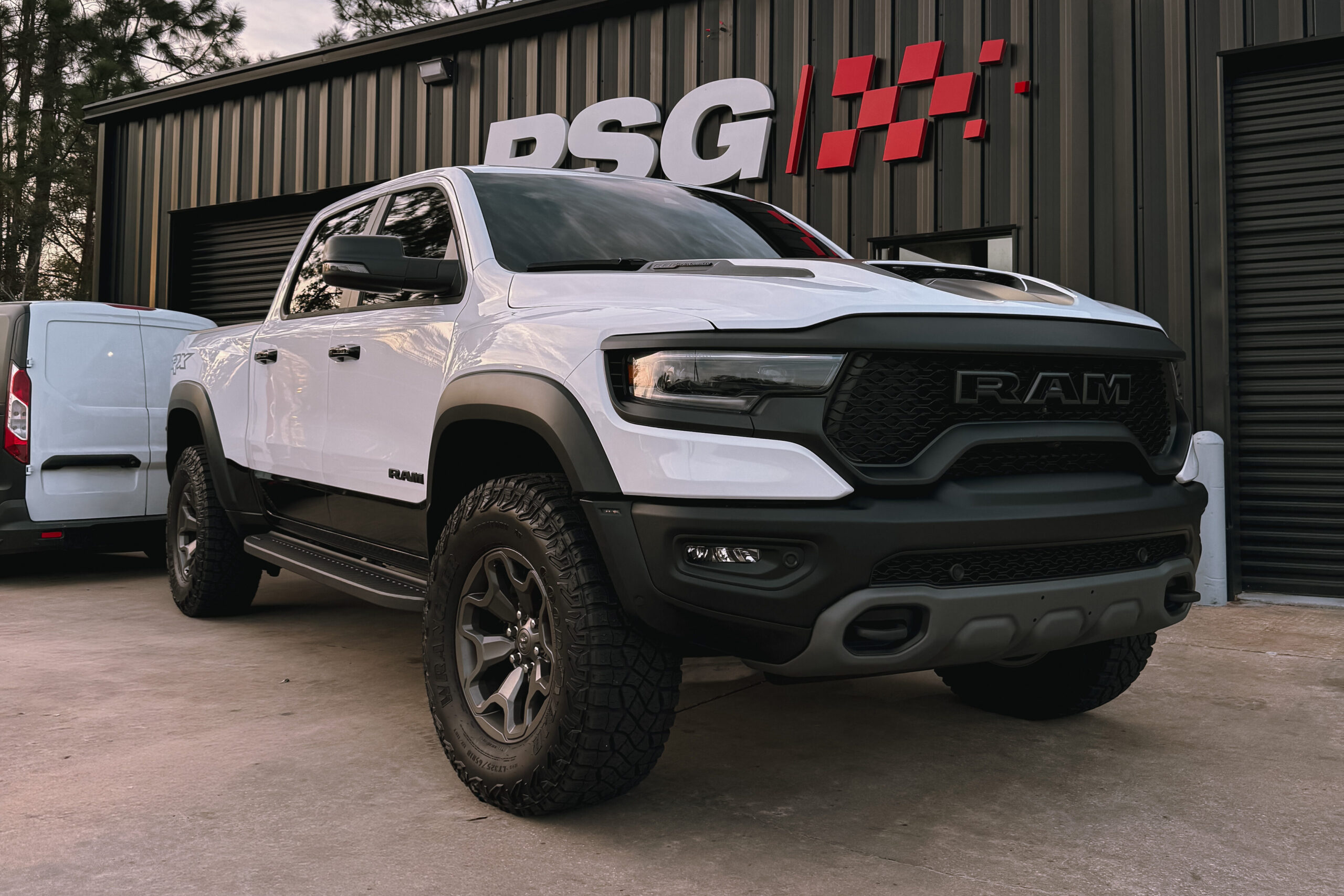
1. Rock Chips on Front-End Panels
Rock chips are by far the most common paint issue we see. They typically appear on:
- Front bumpers
- Leading edges of hoods
- Front fenders
- Side mirrors
Florida highways, construction zones, and loose road debris make front-end damage almost unavoidable without protection.
2. Clear Coat Failure From Sun Exposure
Florida’s intense UV radiation slowly breaks down clear coat. Over time, this results in:
- Fading and discoloration
- Dull or chalky paint appearance
- Peeling clear coat on horizontal surfaces
This type of damage often starts subtly and becomes obvious once it’s too late to reverse.
3. Scratches and Swirl Marks
Improper washing techniques are a major cause of surface-level paint damage. Automatic car washes and dirty wash tools create:
- Swirl marks
- Light scratches
- Haze in direct sunlight
These imperfections reduce gloss and make paint look older than it actually is.
4. Etching From Bug Splatter and Bird Droppings
Florida driving means frequent exposure to bugs and birds. When acidic contaminants sit on paint too long, they can etch into the clear coat.
Even high-quality paint can suffer permanent marks if contaminants aren’t removed promptly.
5. Water Spots and Mineral Deposits
Frequent rain and hard water leave behind mineral deposits that dry onto the paint surface. Over time, these water spots:
- Reduce gloss
- Create uneven finish
- Require paint correction to remove
This issue is especially common on dark-colored vehicles.

Why These Issues Appear Faster in Florida
Florida vehicles experience:
- Year-round sun exposure
- Higher UV index levels
- Frequent rain cycles
- Longer driving seasons
Combined, these factors accelerate paint degradation compared to cooler or drier climates.
Why Prevention Works Better Than Repair
Once paint is damaged, correction options become more expensive and invasive. Preventative protection helps avoid:
- Repainting panels
- Constant paint correction
- Permanent cosmetic damage
Protecting paint early is always more cost-effective than fixing it later.
How Paint Protection Film and Ceramic Coating Help
Different forms of protection address different problems:
- Paint Protection Film (PPF): Shields against rock chips and physical impacts
- Ceramic Coating: Protects against UV damage, water spots, and contaminants
When used together, they significantly reduce the most common paint issues seen on Florida vehicles.
Real-World Experience Matters
Understanding paint damage isn’t theoretical—it comes from seeing the same problems repeatedly. At PSG Wrap & Tint, our recommendations are based on real vehicles, real driving conditions, and real results.
Visit PSG Wrap & Tint in Jacksonville
If you’re starting to notice paint damage—or want to prevent it before it happens—our team is here to help.
Schedule a consultation or visit PSG Wrap & Tint in Jacksonville to protect your vehicle’s paint the smart way.