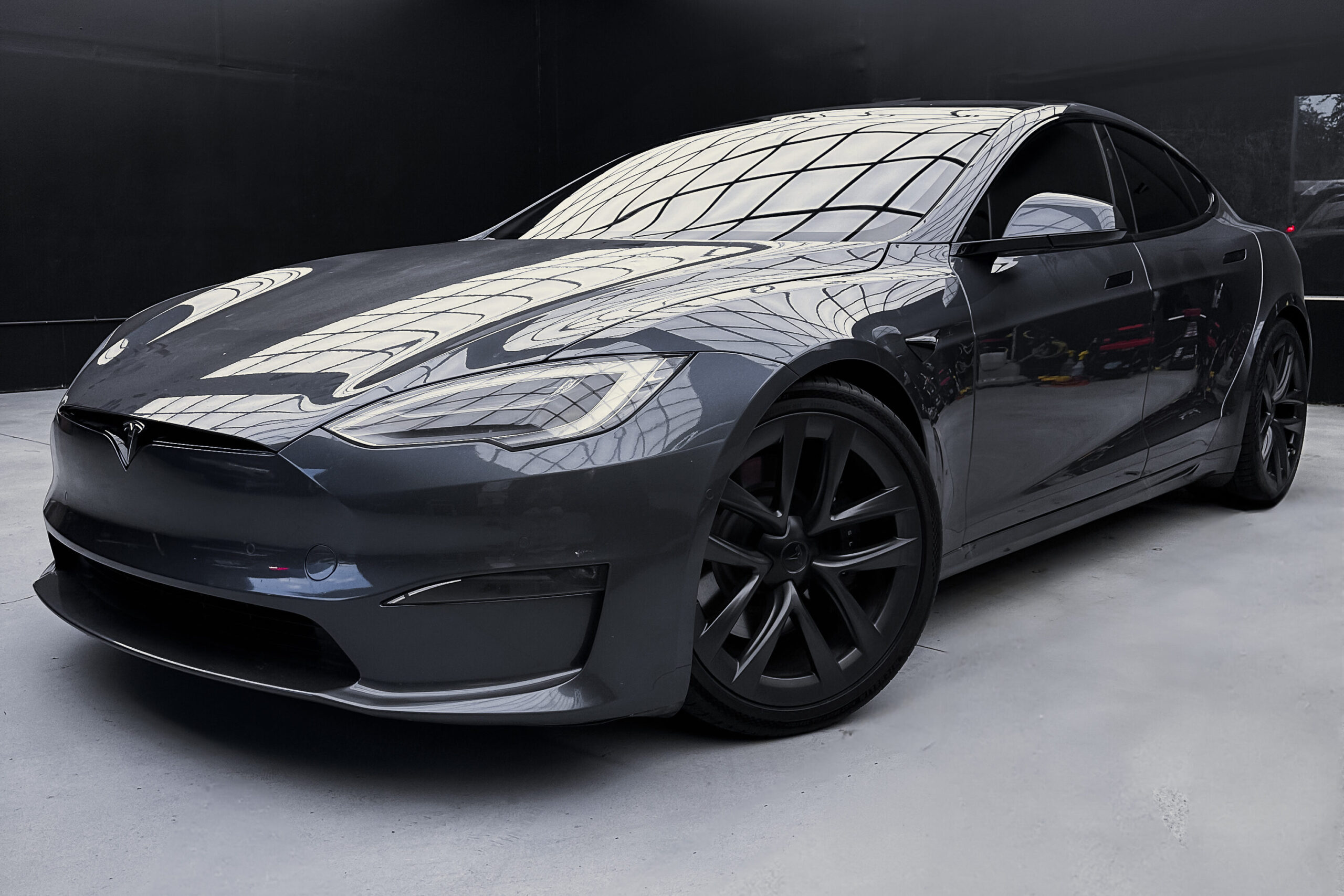
Heat Affects EVs Differently Than Gas Vehicles
Electric vehicles are engineered around efficiency. While they eliminate fuel consumption, they are far more sensitive to environmental conditions—especially heat. In hot climates like Florida, excessive cabin heat directly impacts comfort, energy usage, and driving range.
That’s why window tint isn’t just a cosmetic upgrade for EVs—it’s a functional one.
How Heat Impacts EV Performance
Unlike gas-powered vehicles, EVs rely entirely on battery energy to power:
- Climate control systems
- Cabin cooling
- Electronics and displays
When interior temperatures rise, the air conditioning system works harder, pulling energy directly from the battery and reducing available driving range.
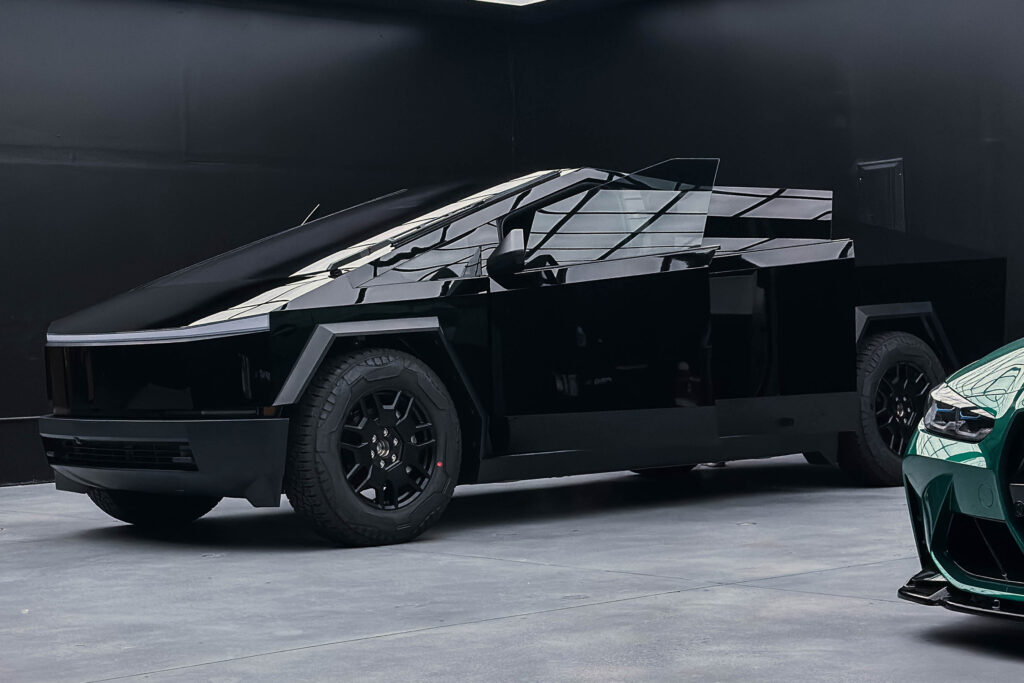
Large Glass Areas Increase Heat Load
Many EVs feature expansive glass surfaces designed to enhance visibility and cabin openness. While visually appealing, this design allows more solar heat to enter the vehicle.
Without window tint, EV cabins heat up quickly—especially during parking or stop-and-go traffic.
How Window Tint Improves EV Efficiency
High-performance ceramic window tint blocks infrared heat before it enters the cabin. This results in:
- Cooler interior temperatures
- Reduced air conditioning usage
- More stable cabin comfort
- Improved energy efficiency
For EV drivers, this translates to less battery drain caused by cooling demands.
Improved Driving Range in Hot Conditions
While window tint doesn’t increase battery capacity, it helps preserve usable range by reducing energy lost to climate control.
In hot climates, this benefit becomes noticeable during:
- Daily commuting
- Long highway drives
- Stop-and-go traffic
- Extended parking in the sun
Every reduction in cooling demand helps maximize efficiency.
Interior Protection Matters More in EVs
EV interiors often feature:
- Touchscreens and digital displays
- Synthetic or premium interior materials
- Minimalist dashboards
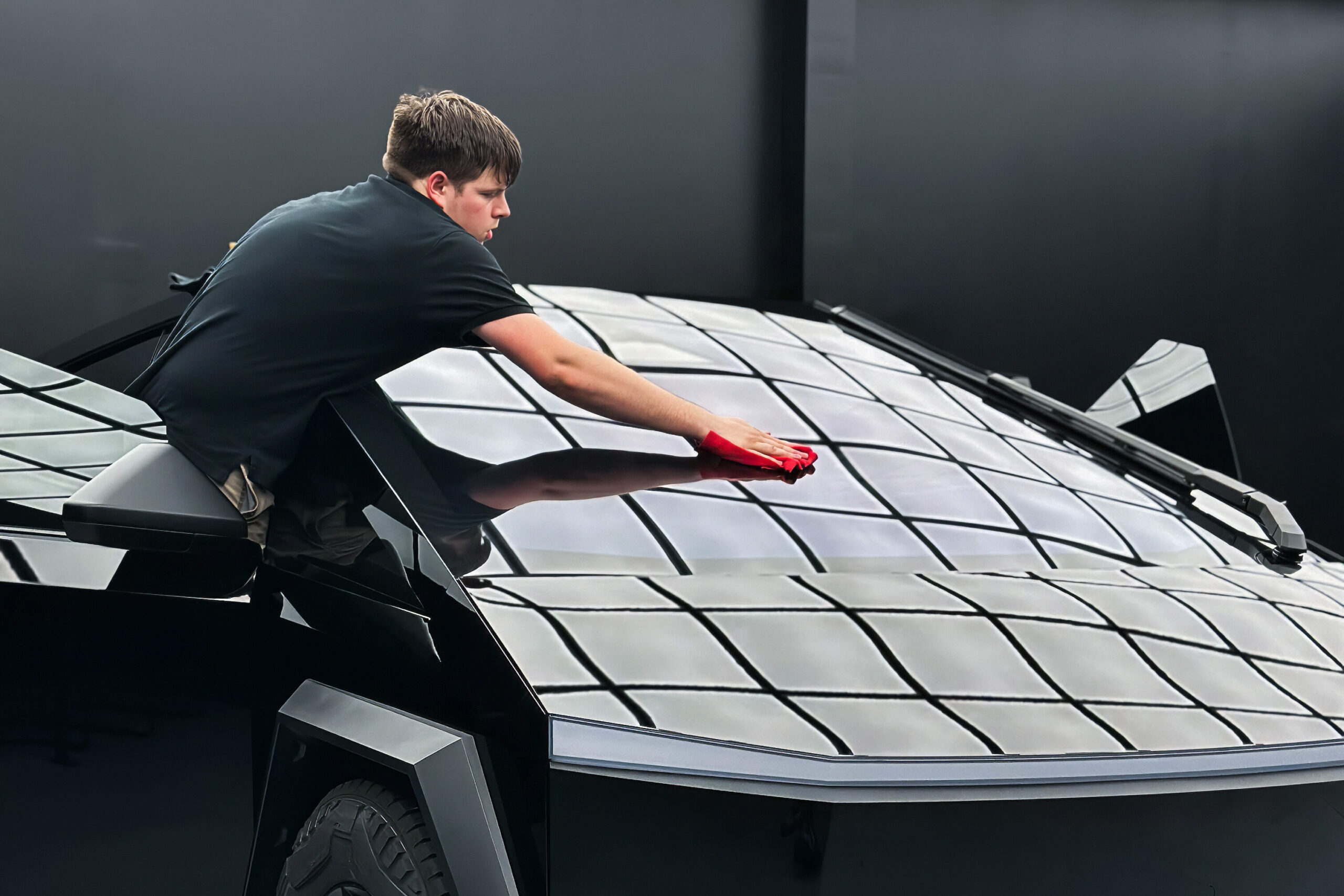
Prolonged heat and UV exposure can accelerate wear on these components. Window tint blocks up to 99% of UV rays, helping preserve interior materials and electronics.
Clear Visibility Without Signal Interference
Ceramic window tint contains no metal, meaning it won’t interfere with:
- GPS
- Cellular connectivity
- Bluetooth
- Vehicle sensors
This is critical for EVs that rely heavily on onboard systems and connectivity.
Florida Makes These Benefits Even More Important
In areas like Jacksonville, EVs are exposed to:
- Year-round sun
- High ambient temperatures
- Frequent outdoor parking
Window tint helps EV owners manage these conditions more effectively on a daily basis.
Why Ceramic Tint Is the Preferred Choice for EVs
Ceramic window tint offers the best balance of:
- Heat rejection
- Optical clarity
- Legal compliance
- Long-term durability
This makes it the ideal solution for electric vehicles operating in hot climates.
A Practical Upgrade With Everyday Benefits
For EV owners, window tint isn’t about aesthetics—it’s about improving daily performance and comfort. In hot climates, it’s one of the simplest ways to enhance the EV ownership experience.
Visit PSG Wrap & Tint in Jacksonville
If you drive an electric vehicle and want to improve comfort and efficiency in Florida heat, our team is here to help.
Schedule a consultation or visit PSG Wrap & Tint in Jacksonville to find the right window tint solution for your EV.