Rock Chips Aren’t Just Bad Luck in Florida
If you’ve owned a vehicle in Florida long enough, you’ve probably noticed rock chips appearing sooner than expected. Many drivers assume it’s just bad luck, but the reality is that Florida driving conditions actively increase paint damage—especially on highways and high-traffic roads.
Understanding why this happens makes it clear why paint protection film is such an effective solution.
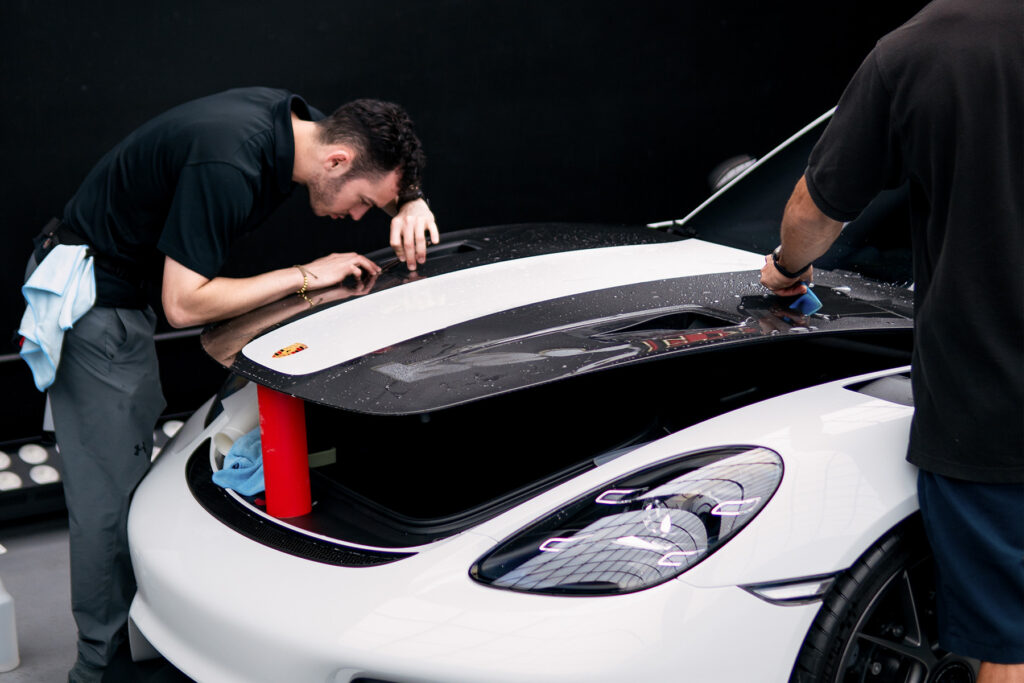
Why Florida Roads Cause More Rock Chips
Several factors combine to make rock chips more common in Florida:
- Constant road construction and resurfacing
- Loose gravel and debris on highways
- High-speed commuting and long driving distances
- Frequent rain that loosens roadway material
In areas like Jacksonville, where highway driving is part of daily life, paint damage adds up quickly—even for careful drivers.
The Problem With Modern Automotive Paint
Modern factory paint is designed to be environmentally compliant, which means it’s thinner and more vulnerable than older finishes. While it looks great when new, it doesn’t handle impacts as well.
When rocks strike exposed paint at highway speed, the result is:
- Chipped clear coat
- Exposed base paint
- Potential corrosion over time
Once this damage occurs, repair options become expensive and invasive.
How Paint Protection Film Prevents Rock Chips
Paint protection film acts as a transparent impact-absorbing layer. Instead of rocks hitting your paint directly, the film takes the impact and disperses the energy.
High-quality PPF offers:
- Strong resistance to rock impacts
- Self-healing properties for light scratches
- UV protection to prevent fading
- Long-term clarity without discoloration
This makes PPF one of the most effective forms of rock chip protection available.
High-Impact Areas That Need Protection First
Rock chips tend to appear in the same areas over and over:
- Front bumper
- Leading edge of the hood
- Front fenders
- Side mirrors
Protecting these zones early prevents visible damage from spreading across the vehicle.
Why Waiting Makes It Worse
Once rock chips appear, paint protection film can no longer reverse the damage. At that point, drivers are often faced with:
- Touch-up paint that never matches perfectly
- Paint correction and blending
- Partial or full repainting
Installing PPF before damage occurs is far more cost-effective than repairing paint later.
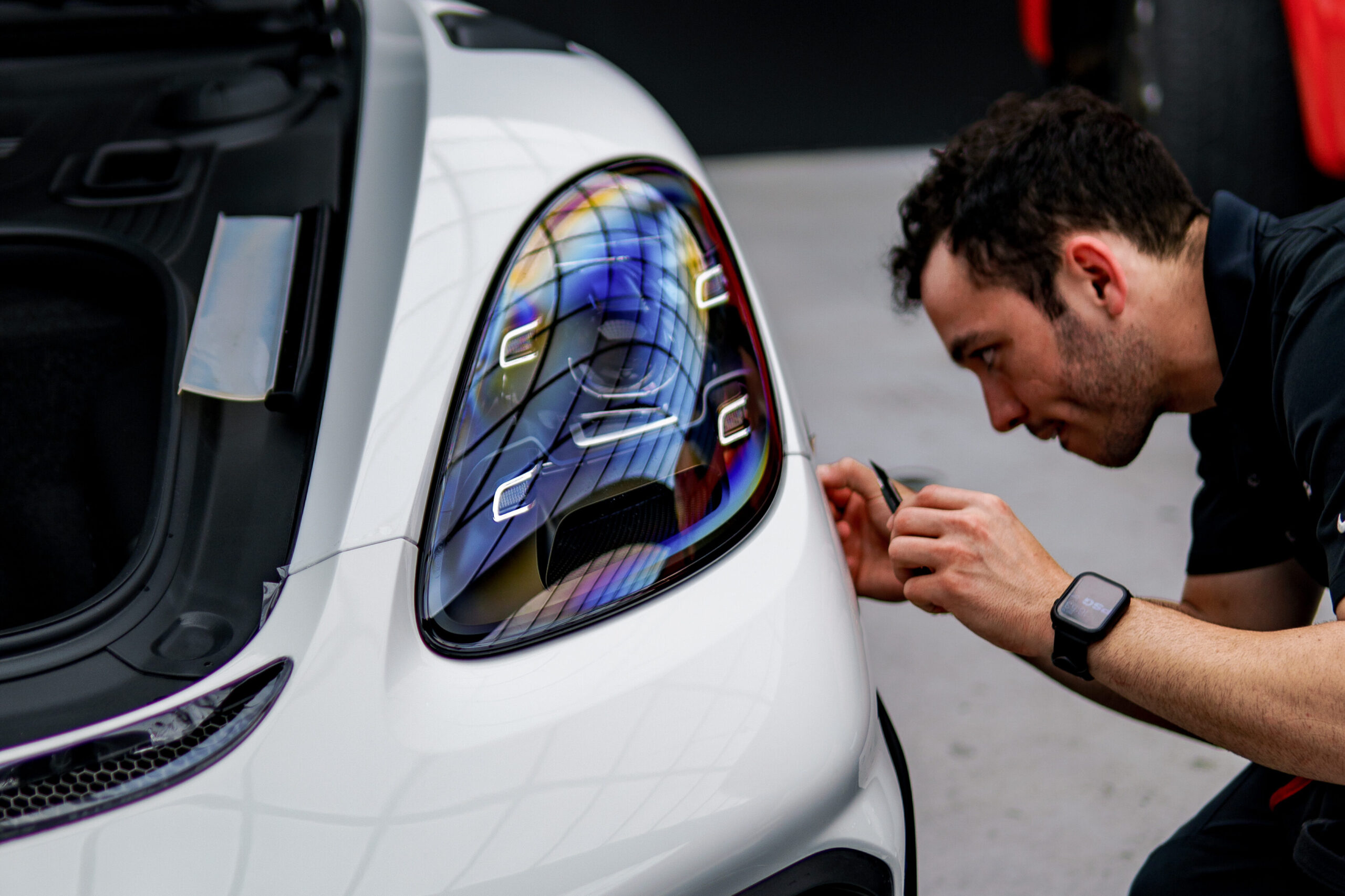
Why PSG Wrap & Tint Recommends PPF for Florida Drivers
At PSG Wrap & Tint, we see firsthand how quickly unprotected paint deteriorates on Florida roads. Our PPF installations are designed specifically for the driving conditions found in North Florida.
Each vehicle is carefully prepped and protected inside a controlled environment to ensure maximum durability and a clean, seamless finish.
Prevention Is the Smartest Approach
Rock chips may be common in Florida—but permanent paint damage doesn’t have to be. Paint protection film stops the damage before it starts, keeping your vehicle looking newer for longer.
Visit PSG Wrap & Tint in Jacksonville
If you want to avoid costly paint repairs and protect your vehicle from Florida road debris, our team is here to help.
Schedule a paint protection film consultation or visit PSG Wrap & Tint in Jacksonville to protect your paint the right way.
Related Articles
How to Choose a PPF Installer You Can Trust in Jacksonville
The Ultimate Protection Package for Luxury Vehicles in Florida